
Self-righting Search and Rescue Vessels for The Canadian Coast Guard

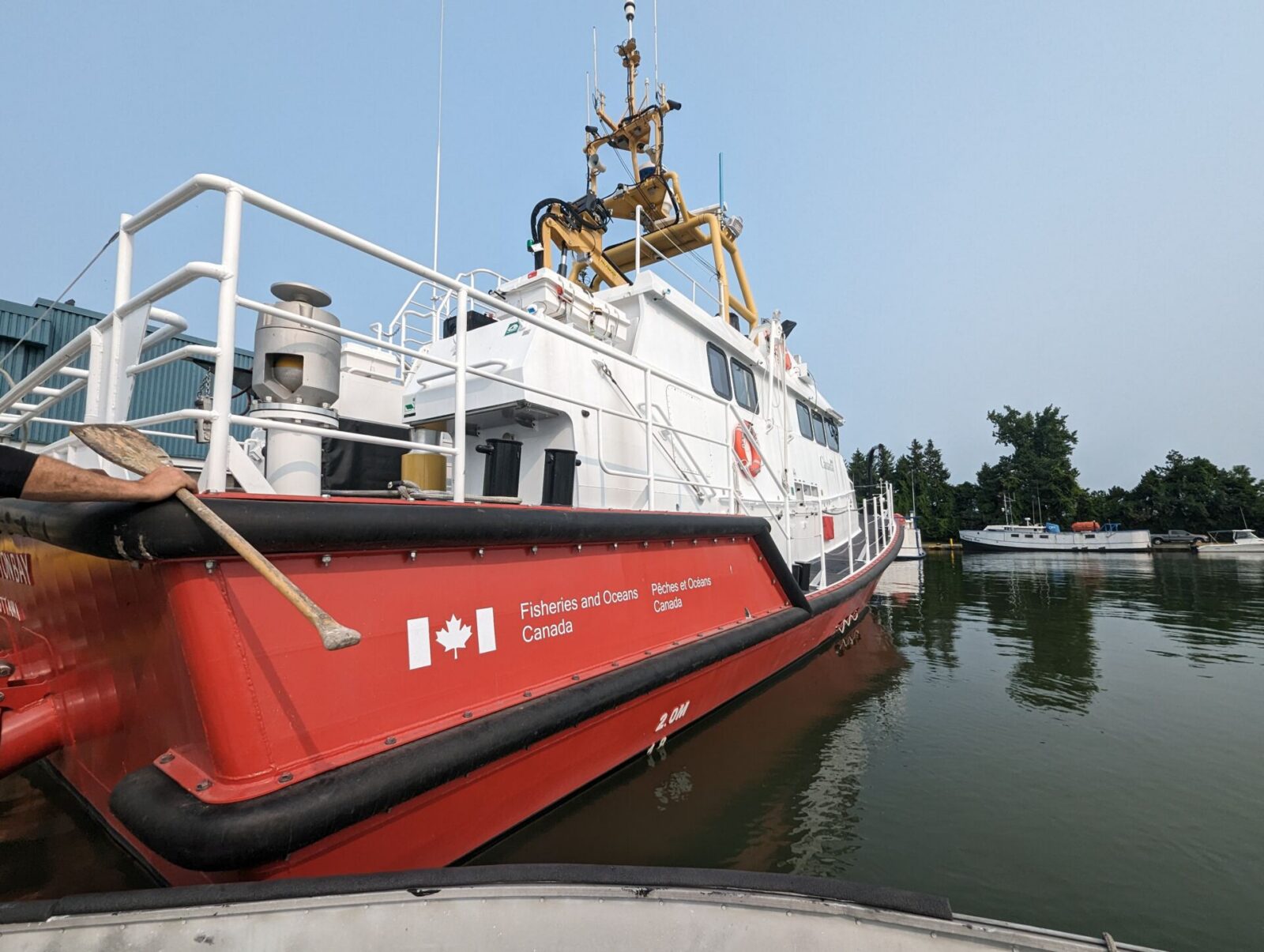
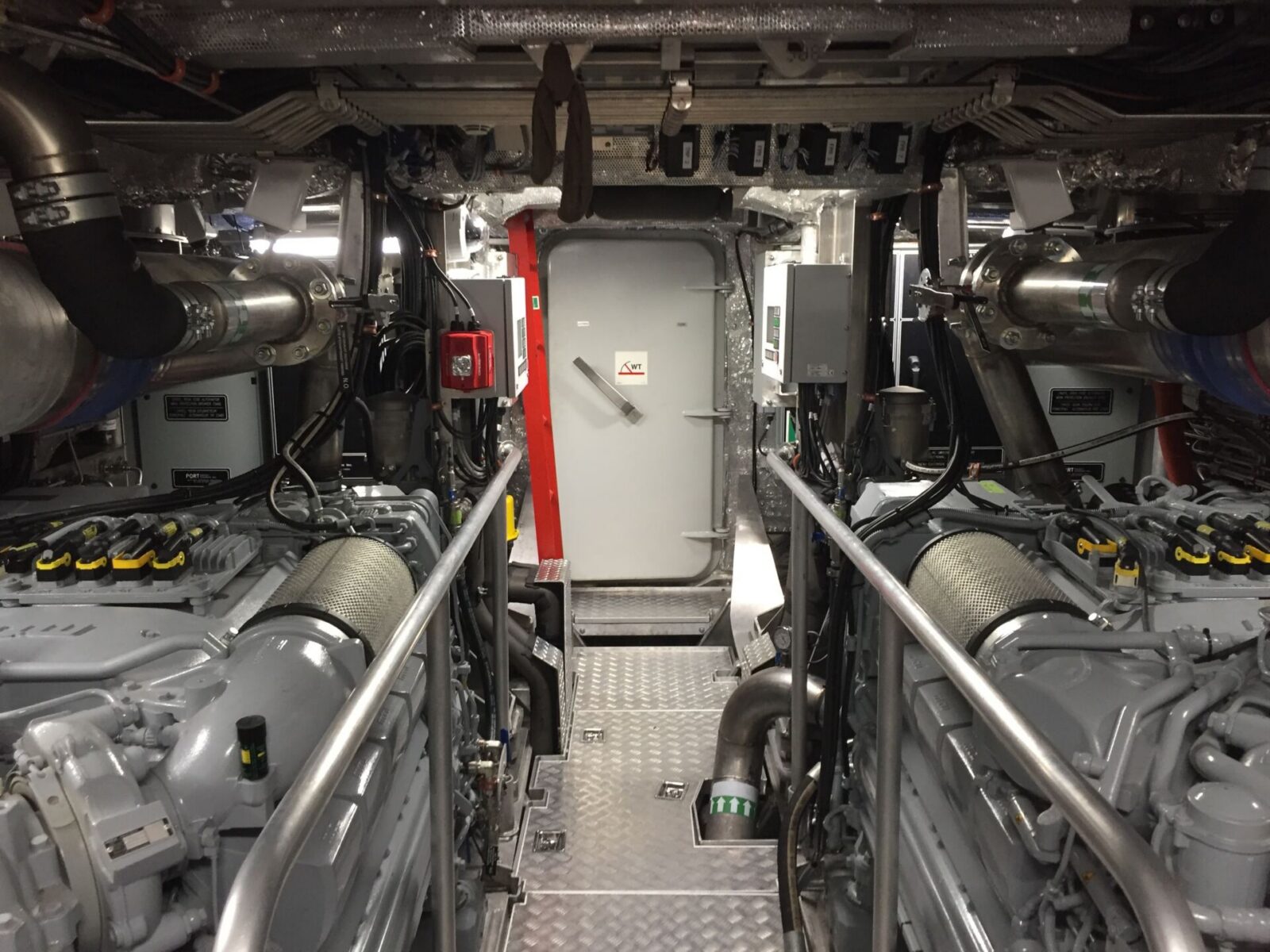
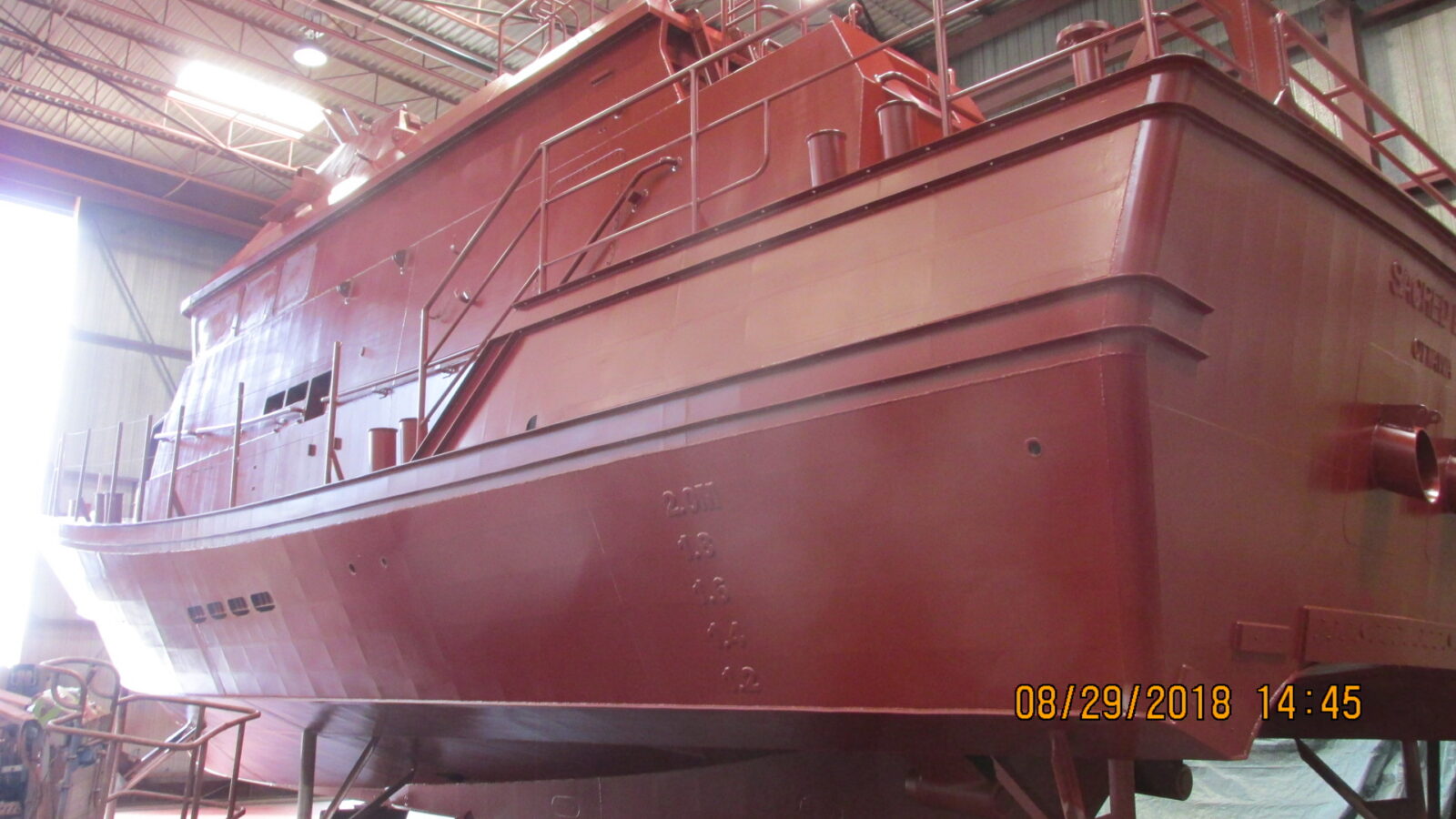
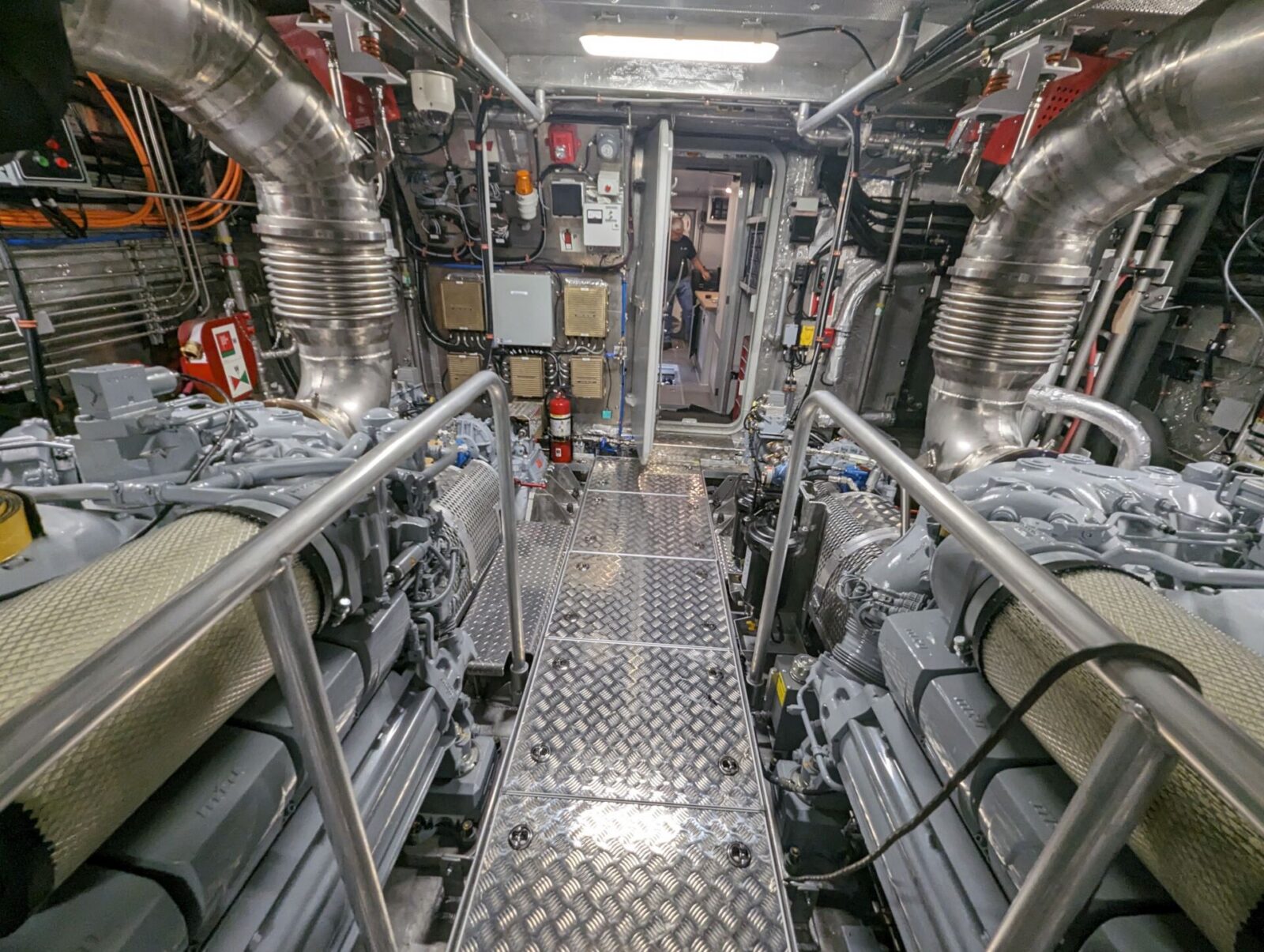
How do you improve a vessel from one build to the next without compromising the performance characteristics that make it safe? Allswater was engaged by Hike Metal Products Ltd. to provide engineering support during the construction of self-righting search and rescue vessels for the Canadian Coast Guard. Our work combined vessel surveys, engineering analysis, drawing development, stability assessments, and weight control to support construction and maintain a reliable technical baseline throughout the multi-vessel program.
Challenge
Self-righting capability is a critical safety feature that depends on precise vessel geometry, weight distribution, centre of gravity, and stability characteristics. Even relatively small changes during construction can affect how a vessel performs, making accurate information and disciplined change management essential.
The challenge became more complex as the program progressed. Each vessel benefited from lessons learned during earlier builds, along with incremental design improvements and owner-driven refinements. These changes had to be incorporated without losing engineering continuity or compromising stability and self-righting requirements.
Allswater also reconciled existing design information with current survey data, construction records, and as-built conditions. As the vessels evolved, we maintained accurate drawings and technical documentation while continually evaluating changes in weight and configuration throughout construction.
Solutions
Working closely with the shipyard and project stakeholders, we established and maintained an accurate engineering baseline for each vessel. Our team conducted field surveys and dimensional verification, integrated the findings with existing design information, and developed updated engineering drawings and as-built documentation.
Design modifications were introduced and assessed for their potential effects on vessel weight, centre of gravity, stability, and self-righting performance. Ongoing weight control and configuration management allowed changes to be tracked, evaluated, and properly documented from one vessel to the next.
Our support included:
- Vessel surveys and dimensional verification
- Engineering drawing creation and updates
- As-built documentation
- Stability assessments and reporting
- Technical review of design modifications
- Weight control and configuration management
- Construction support and coordination
Results
Design improvements were carried forward from one build to the next, supported by engineering continuity throughout the construction program. By providing the project team with accurate, current technical information, we enabled informed decisions and careful assessment of each change’s effects on weight, stability, and self-righting performance.
Through field verification, engineering analysis, and disciplined documentation management, we helped ensure that each vessel continued to meet its performance and stability requirements while incorporating lessons learned from previous builds.
The project demonstrated Allswater’s ability to adapt to evolving requirements and deliver practical engineering support for vessels designed to operate in some of Canada’s most demanding marine environments.